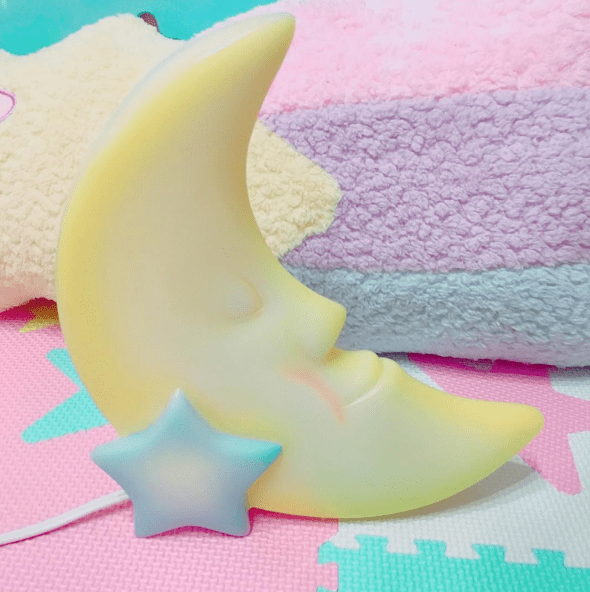
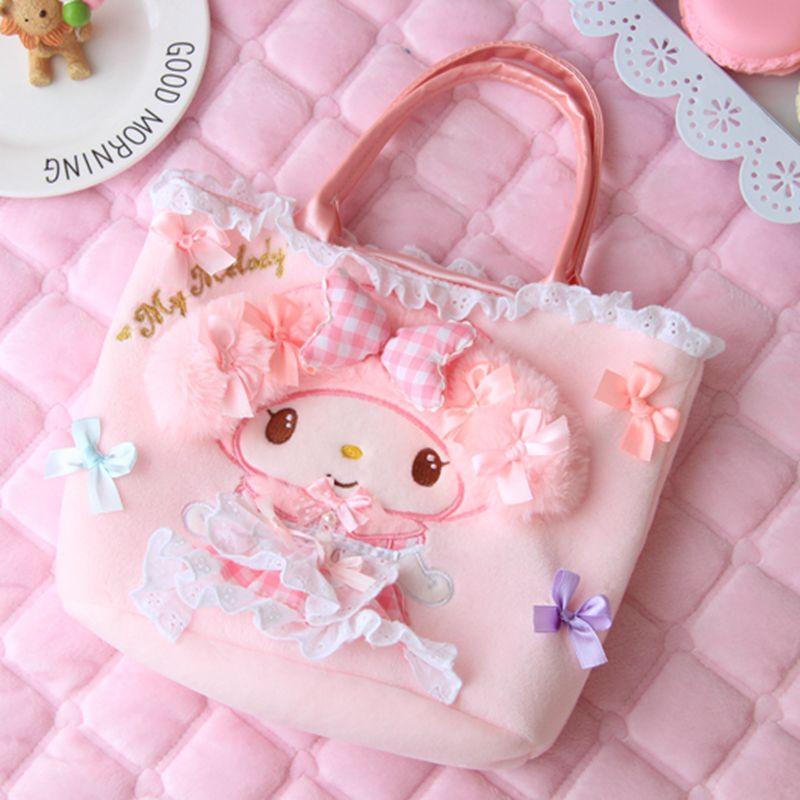
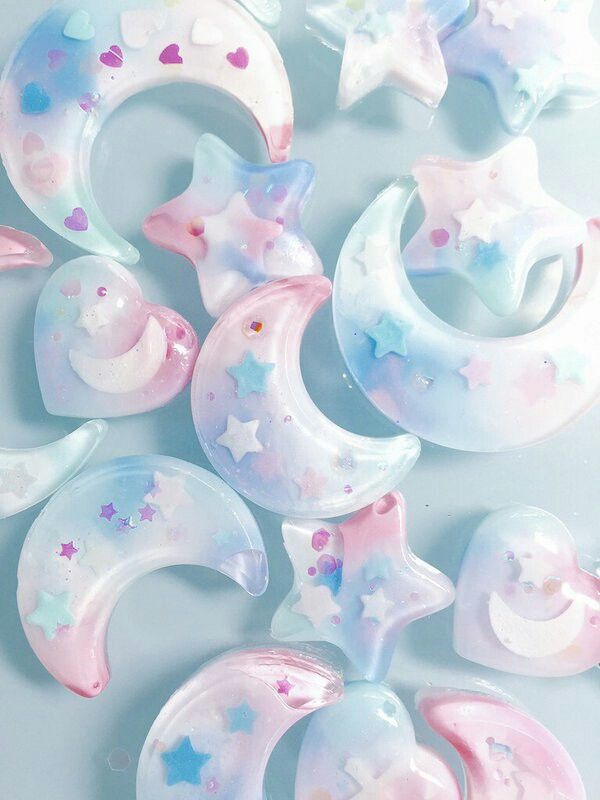
Starting off standard- What is Fairy Kei? Why does it look so familiar to readers of my blog? Well silly, that’s because we’ve covered Kei fashion before! Specifically Decora Kei, Fairy Kei’s more explosive, chaotic cousin. Fairy Kei itself has many offshoots, but generally is determined by things in a dreamy color palette that present in a whimsical, or fantastical manner.
Fairy Kei, for many people, allows them to express a sort of inner childish delight and wonder with their fashion sense and their general attitude towards life.
The Fairy Kei aesthetic is comprised of loose fitted, pastel or neon pastel clothing. The sense of childlike whimsy is provided by the core inspiration for its particular style; 80s and 90s children’s TV. Common references may include shows such as My Little Pony, The Care Bears, Hello Kitty…and many more. The style is sometimes referred to as ‘frumpy’, but I personally find the innocent nature of fairy kei to be one of its most appealing attributes.
The general style is supposed to give off an air of nostalgia. Warm, colorful, comforting, and inviting- it’s not hard to understand why Fairy Kei appeals to so many people.
The folks in the Fairy Kei community are generally a pretty positive bunch, considering the morality of the shows that their imagery tries to emulate. There is, as with many things, a small version of this community that also enjoys to mix in just a touch of goth with their wholesomeness.
Honestly I’m very drawn to the final result of that subculture-splicing. It adds a sort of interesting measure of maturity to the otherwise entirely dreamlike childhood vibe.
In closing- I really really enjoy Fairy Kei. The wholesome nature of the community and their attire, the support people give to other models and creators… it’s all incredibly lovely.
Ahhhh the Beasts of Hype. Think like The Grapes of Wrath only much more expensive and not at all related to The Grapes of Wrath. Many of the subcultures that I’ve covered on this blog have been with us for decades, centuries even… Hypebeasts -and the culture surrounding their everyday lives- are something that has more recently exploded. Mostly thanks to modern social media.
So what IS a Hypebeast?
Well, for starters, a Hypebeast is an individual who spends their time and money locating and purchasing wildly expensive clothing, accessories, shoes… so on and so forth. Why? Firstly because they can, secondly because they want to, and lastly so they can flex. If you’re not familiar with the term flex, imagine i’ve just said ‘show off’.
Hypebeasts collect items that have worth behind their labels, implying net value simply by looking like a cool cat. Not… actually a feline, obviously, but you know what i mean.
Sneakerheads
Sneakerheads would, technically speaking, be considered a form of Hypebeast in that they seek out expensive, rare collectible pieces (in this case sneakers) to give themselves clout. The concept of the hype is honestly very easy to get behind. It can be exciting to be part of a group that celebrates being able to afford things if you can afford it.
…Unfortunately for my blog content I myself do not have access to that level of money. I will not be demonstrating this one guys, sorry about that. Hope y’all learned a lil sumn’ sumn’.
“A rave is an organized dance party at a nightclub, an outdoor festival, warehouse, or other private property or public spaces, typically featuring performances by DJs, playing a seamless flow of electronic dance music.”
So… what is the culture that comes along with it then? In my personal experience, it’s one of the most culturally diverse, happy, and supportive subcultures I have ever encountered. The main principles of rave culture are Peace, Love, Unity, and Respect (or PLUR). This is not a sentiment that the community takes lightly.
The reasoning behind being so inclusive, perhaps, is the same sort of general morality that carries through a majority of the community. Everyone is there to be whoever they are, have some fun, and enjoy the same kind of music while dancing like maniacs. Speaking of dancing like maniacs- it’s so common for people to under hydrate before or during rave events that it’s become ingrained in the culture to remind each other to stay hydrated, to keep your fellow partiers happy, healthy, and able to party for as long as they want.
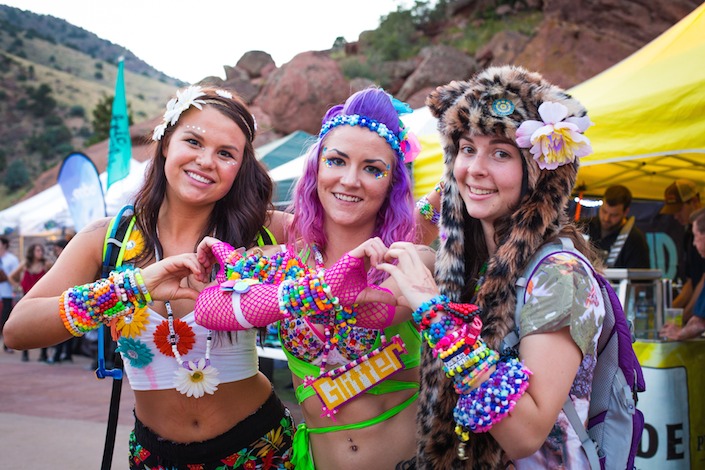
Unlike many of the subcultures previously discussed, Rave fashion is rooted primarily in wearability. To a rave, i mean. The styles are often lightweight, easy to move in, preferably not too easy to overheat in… but colorful enough to express your individual party spirit!
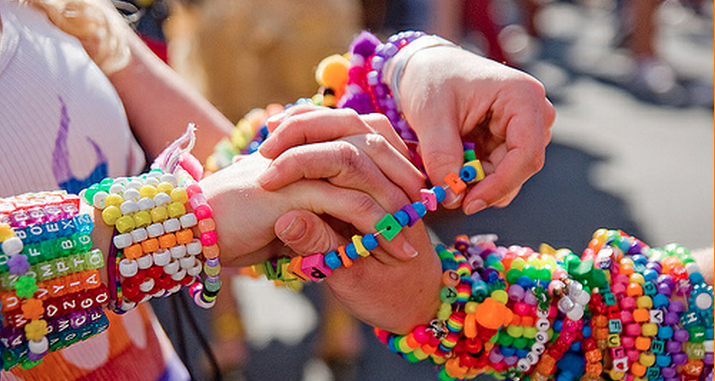
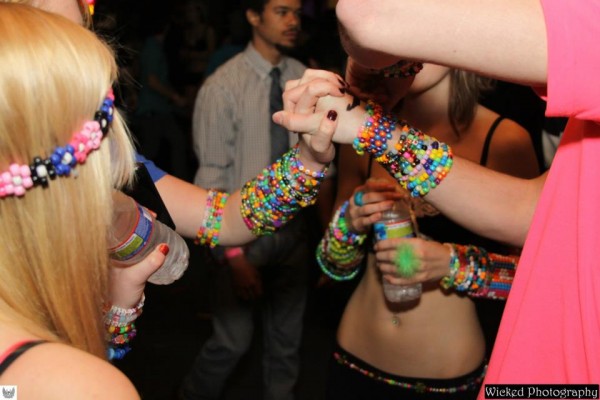
Unequivocally speaking, my all time favorite aspect of rave fashion/culture is the concept of Kandi. Kandi is made up of beaded accessories, usually bracelets, decoratively worn to raves and festivals as a sort of accent piece. Not only is it very cute and fun to look at, but there’s more to Kandi than meets the eye! I’m talking about trading it. Two individual ravers with Kandi will approach each other, exchange the PLUR handshake, and then exchange bracelets. It’s like a fun, simple gesture of good will that brings people together. What’s not to love?
I think the thing that’s always fascinated me about the Rave community is their spirit. The amount of good vibes radiating from these people is immense, and I would be thrilled to ever attend such a fun gathering. As always!
What exactly is Bohemianism? Do you know? Or have you only heard of it in passing, in reference to “Boho fashion” or in the title of a certain rhapsody… Bohemianism is one of those subcultures that has been with us for a very very long time.
Bohemianism took root in the early 19th century, particularly in France. Many low-income, struggling artists and free spirits began to adopt a fair amount of Romani culture. This was not because there was a random insurgence in cultural appropriation; but because the often impoverished individuals involved in Bohemianism learned to live their life among the Romani communities. They were constantly on the move, becoming self-sustaining and enraptured with the traditional Romani life that is often romanticized in overall Bohemian culture.
So where does the word Bohemian come from?
Great question! Thank you for asking. Very helpful for the format of this blog. It actually originated from a silly mistake made by a bunch of French citizens. Mistakenly, they believed that the people living in the Romani communities were actually from Bohemia, a Czech province. They were wrong, but that didn’t change the fact that the name stuck, and was eventually adapted to convey a certain style of living.
What style of living? Goodness! Look at you with all your fancy productive questions today. Well-
The culture that blossomed forth from the beginnings of Bohemianism was one of wanderers. People who weren’t tied down by anything -not money, not possessions, not people- living carelessly and happily as they could with what they naturally had. Their days involved hard work and harder play. Those artists who fled their societally dictated lives in favor of rebellion seemed to unabashedly relish their life experience, and honestly I couldn’t fault them for it.
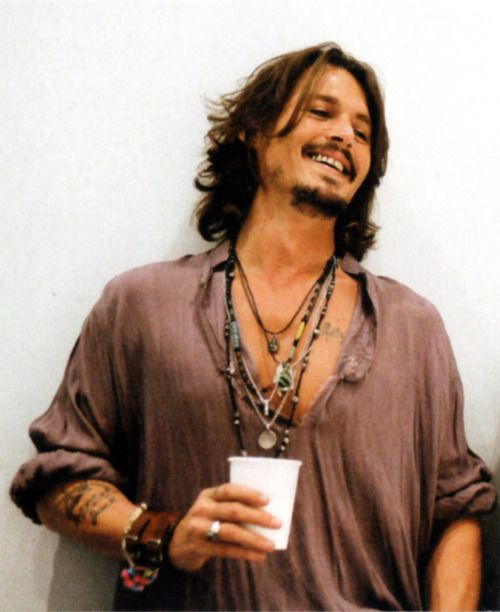
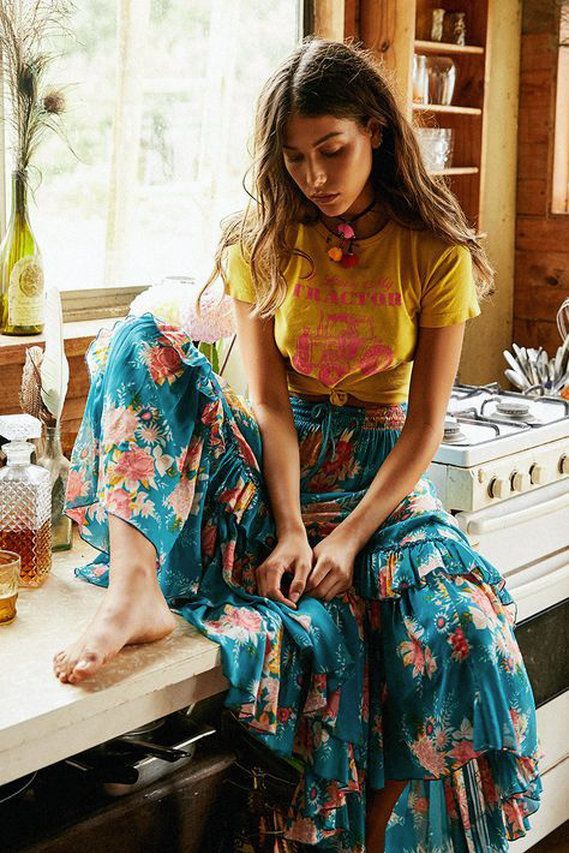
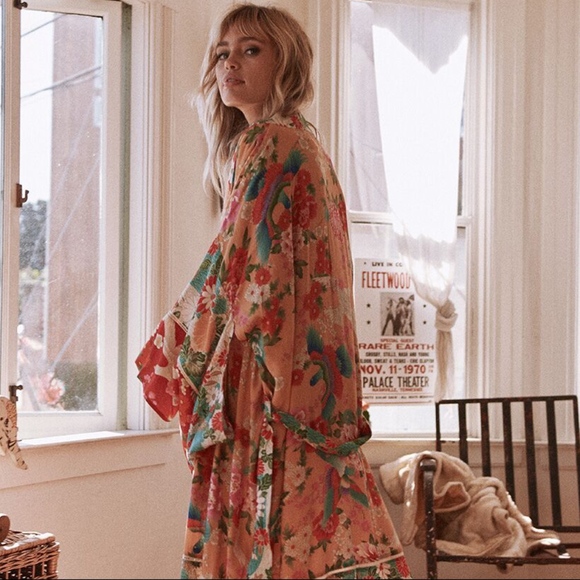
Bohemianism can be found throughout history. It occasionally resurges, and heavily influences the more wayward movements of the consecutive centuries. For example, the Hippies of the 60s and their free-love movement both drew heavily from Bohemian culture. This can be seen both in their general attitude towards life and also in their fashion sense- as you can clearly see below.
Look familiar? Look kinda like clothing that might be sold at American Eagle during the summer for their Boho Chic special? That’s because it is! Though the general style has changed a little bit over time, the same general aesthetic has been kept running by the individuals involved in the culture. However, nowadays it looks a little more like this:
I believe my favorite part of Bohemianism is probably how incredibly comfortable all of that looks. Now… sadly i have not been able to produce my own examples of trying out Bohemian style or culture like I normally do, but that’s where my little author’s note comes in! In a way, I have been participating in Bohemian culture for the past few weeks. Howso? I’ve simply abandoned everything! Once I had received the unfortunate news that I would not be returning to my regularly scheduled school ever again, my mental health more or less took a hit, resulting in me living in a fantastical, dream-like state for several weeks. Perhaps not the wisest approach to life, yes, but it gave me some clarity. And… I think… maybe just enough inspiration to achieve something that’ll let me live like that for longer some day.
Surprise surprise! I’ve got something very special for you all today; my favorite subculture. Less a subculture, more an aesthetic, but for the sake of my own hopes and dreams we’re gonna call it a subculture. Welcome to cottagecore! Based on peaceful, rural, and romanticized depictions of western living, cottagecore involves a lot of earthen tones, self-sustaining lifestyles, and natural comforts. Cottagecore is less a culture made of clothing and more about the mindset, the cultivating of a very particular environment, and just general good vibes. The good vibes are very important.
The dressage in cottagecore is perhaps a bit less “bizzare” or eye-catching than the subcultures previously dissected on this page. Consistent of earthy tones, loose figures, and generally simplistic designs; cottagecore clothing lends itself to being handmade, or found in thrift stores and in grandparents’ closets.
Something that may have made itself evident as you were examining the images above: Detail is an incredibly important part of cottagecore. Surrounding yourself with simple but meaningful things, comfortable clothes, natural decorations and supplies. A lot of the culture is based around DIY. Going out and collecting your own materials, crafting your own embroidery, pressing your own flowers- Part of why cottagecore is so near and dear to my heart? Because I do this stuff all the time! It’s just a part of my daily routine.
All of the images above are from my own, personal, daily life. Rain water, foxtails and pinecones I collected, a spell jar (which is something related to my religion, not to this subculture, i just made it in a cottagecore kind of style) that i put together, and my box of small pretty objects that make me happy.
Examining the actual appeal of the aesthetic, I think what has drawn a lot of attention to it is the beautiful simplicity of it. It’s all made from nature, anyone can go outside and collect leaves or flowers- so anyone can participate! Even if it’s a small way. Cottagecore has helped me appreciate the cool little things that are around me in my life a lot, and if it appeals to you i encourage you to partake! As always, thank you so much for reading. Buh-bye!!
To clarify, the subculture we’re talking about today is Punk. Liberty spikes, which I referenced in my title, are a particular hairstyle that was adopted by punk culture quite some time ago. Tearing out of the normie culture and wreaking havoc from the 1970s on, Punk is a culture that doesn’t intend to die anytime soon, or at the very least not quietly. Never quietly. That wouldn’t be very punk of it.
“Punk” is a term that has been around for a very, very long time. However, the definition of the term has expanded a little bit over the years. Initially meaning a prostitute, it now describes an entire passionate movement of music, style, attitude, and self-righteousness. Ripped clothes, crazy hair, and a generally anarchist or free and fun-loving persona would make a good starter pack for the average punk. But…what actually builds the lifestyle or even just style of a punk? Why not start with the music! Punk Rock.
Full of passion, emotion, crunchy bass lines and ripping guitar- Punk Rock embodies the spirit of the movement with a boundless expression of chaos. The idea behind it is that Punk culture is an outlet. A group of people, or a lifestyle, or a soundtrack that enables the average person to fully express their frustration with the systemic pressure of daily life by hurling convention out the proverbial window and being whoever you truly are, doing whatever it is you truly want. For some reason a lot of people seem to be intimidated by Punks, which is sort of the intended effect, but I implore you to give them a second chance if you’ve written them off before. “Troublesome” as they may be, they’re certainly some of the realest, most intense people out there.
Punk music, clothing, and culture alike all cal for their participants to be loud, proud, and unexpected. Punks excel at producing a reaction from the conservative people they feel so very oppressed by, and choose to flaunt that ability by practicing it as frequently as physically possible. This would be where the subculture gets a bad reputation, considering many of the acts of rebellion beloved by the culture’s participants involve a few less than legal habits. Despite this reputation, I happen to have a lot of respect for Punk culture as a whole. There’s a lot of deep history behind Punk culture, a lot of intertwined very closely with the roots of rock and roll. I have been personally unable to find the time/resources to fully invest myself in the culture, but I do hope that I was able to give a good, brief summary.
…The name was bad, I know. I chose it exclusively because I view Goth as the mother of all subcultures. The subculture to outlast them all, if you will. Regardless, this right here is probably the most complex subculture I have attempted to explain yet. There is absolutely no way that I can both explain every single facet of Gothic culture and stay within my required word limit, but never-you-fear, dear reader.
This subculture, unlike many of its modern counterparts, began in the 18th century, with the movement of romanticism. Known for its shadowy aesthetic and macabre demeanor, Goth draws its influences from the gothic trends of yesteryear. Goth style did not initially begin as exclusively a fashion trend. It began as a lifestyle. It continues to be a lifestyle. Architecture, art, literature, fashion… you name an aspect of civilization and there’s probably a gothic version somewhere.
There is a reason, for sure, that I refer to Goth as the mother of all subcultures. This would be because of the insane expansive web of different types of goth that any given person could be. For example, as pictured above from left to right: Neo-Victorian Goth, Modern Goth, and Cyberpunk Goth. Three distinct styles, but all under the blanket of “Goth”. Rather than overload you with every single type of Goth that you could be, how about I gently introduce you to a few of them and then give you some terms to explore?
We begin with the aforementioned Cyberpunk Goth, or Cybergoth. Unlike its counterparts, Cybergoth style tends to draw from a different color palette, including bright flashes of neon and post apocalyptic inspired clothing pieces, making for an overall energetic and intensified version of the goth experience.
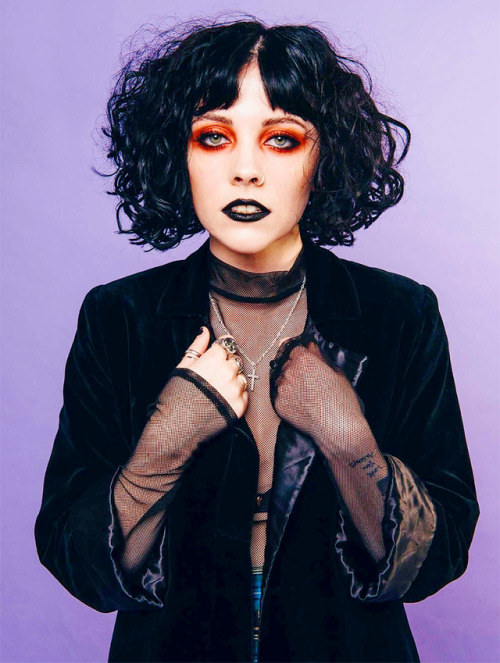
Modern Goth is, very simply, just that. Taking modern styles, aesthetics, and fashion trends and simply adding a touch of the macabre with the dark color palette. Modern Goths are unfortunately frequently mistaken for Emos, but as I made clear in my first blog post this is not the case. The music, art, lifestyle, and general execution is entirely different despite the multiple similarities in general style. Often popular among those who lead lives where the more out-there fashions are unacceptable, Modern Goth is a look that is stylish and generally accessible.
The Hippie Goth is a style that is often overlooked, but is honestly one of my personal favorites. Obviously drawing its influences from the boho fashion popularized by the free love movement in the 60s, it involves flowy or natural looking clothing, loose hair, moderate jewelry and a care-free attitude. There are, obviously, many many many more styles of goth, but below I have included a general list for those who might be curious.
Now- I myself have not personally dabbled in the lovely macabre influences of Gothic culture, but I have tested the style out on several occasions. Sometimes you just have a Goth friend that wants to make you look like a little bat and you say yes and it’s all okay. The example I have for you today, however, was my own attempt at a more undead-goth inspired look. Not too shabby if you ask me, but I’m not actually Goth so I’m not really an expert on the subject.
It may not have been a great attempt, but here’s the thing; It didn’t have to be. The wonderful thing about Goth, and all of her spin-offs, is that with such variety in a subculture there’s no one who can’t participate at least a little. Unlike Emo, the subculture is based less in how you feel emotionally and expressing that, and more on expressing the type of life that you lead and the media that you like to consume. Always having it with you, and always having a conversation piece on you so that when someone asks you about it you can talk to them for three hours non-stop.
Now, Kei fashion in general is a much, much broader spectrum than singularly Decora. I will most likely explain at least a few of the other types, and perhaps delve into the concept of “Kei”s in a later blog post, but this is unfortunately not that post. So let’s get some background, shall we?
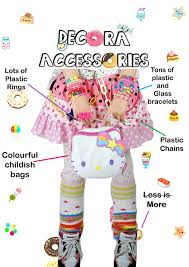
Decora-kei is a style of self expression that originated in the Harajuku area of Japan, a place known for its explorative street fashion. Photographers wait on the streets there, to find a unique look to photograph and add to their various portfolios and projects. Decora models are, obviously, very easy to spot, considering they’re all decked from head to toe in bright colors and fun little details.
The general impression of Decora is that it’s childish, or some kind of costume to be worn on occasion. Looking closer at the details that put together such a complicated sense of style should, hopefully, inform any observer of the hours of painstaking effort ad momentous amount of creativity required to live an entire life like this. Every detail is planned out meticulously, to reflect the interests, personality, and personal style of every individual. Decora-Kei, unlike the subcultures we’ve looked at before, doesn’t really have branching sub-styles or anything quite like that, but what it does have is an absolutely endless variety of color combinations and personal styles of wildly complex self expression.
Also unlike the other subcultures we’ve discussed, I have not, in any way, experimented with Decora-Kei fashion. Nor have I experimented with anything similar to it- mostly because I do not personally have the time or money to accomplish something on that scale. I hope that that could be a testament to the serious nature of this style and the effort that goes into it.
Now, when most people hear the term “Lolita”, a sort of alarming idea may come to mind. I assure you, that is not what this subculture is about. No pedophilia allowed, just cute style choices with some mild to high Victorian influences. Actually… pretty much exclusively Victorian influences.
The Lolita subculture started in japan, though all of its stylistic influences come from 1800s England, specifically period-appropriate children’s wear(as pictured above). The idea behind the look is to try and present a perfectly wholesome and cute image, with a soft sort of creative twist thrown in by making the outfits in bright colors or complex styles. Copious amounts of documentaries-whether they be feature-length or just a youtube video-have spread through the internet about this specific subculture, often renamed as “Living Dolls” because apparently calling things Lolita makes people uncomfortable. The term itself was made infamous by the book simply entitled Lolita and written by one Vladimir Nabokov. Its controversial nature is apparently bad enough that I actually can’t look up images for this article on my school computer, because anything with that word in the search is automatically blocked. For “pornography”, no less.
Thank god that’s not what I’m talking about right now. Despite bearing the same name, the subculture and the book are not at all associated. Except for being sort of centered around children. Now that I have addressed this, we can return to the fun history and depth of the subculture. The first thing that many people will notice is the bright colors and hectic decoration of fabric, definitely not common in the time period that the patterns for the clothing came from.
Some may enjoy this part of the Lolita subculture. Some may be irked by that. A good thing to keep in mind when enjoying the photos you may see is that a lot of Lolitas will hand-make their clothing. A lot of decision-making, blood, sweat, and tears went into their art, and even those that don’t make their own garments find themselves writing some rather large checks indeed. Everything that they wear and display costs time and money, so please be respectful even if they aren’t particularly your style. However. For those who prefer the more classic look of the Victorian Era, have I got the section of subculture for you.
Taking patterns, colors, and sometimes even sewing techniques and tools from the appropriate era that the subculture is themed around. Crafting garments for specifically Classic Lolita style takes often a lot more effort and research hours than its more modern counterparts, as the resources from the Victorian era are a bit scarce in 2020. …I just dated this article pretty hard but that’s alright, we’ll survive. The color tones tend to be in more of the neutral-to-warm range, a lot of browns and creams and whatnot. Light blue or dark green were about the only easily attainable cool tones, but fear not dear reader, there’s definitely plenty of those too.
Unfortunately, unlike with my previous article on Emos, I actually haven’t been through a Lolita phase. The closest I’ve come would be my experience wearing period-appropriate clothing when attending the Bloomington Steampunk Festival with my older brother. Lucky for us, he still had some photos!
I’m going to be honest, I believe that the most annoying part of dressing like I was from Victorian England was probably the ridiculous amount of layers that I was forced to suffer beneath in the sweltering heat.
Speaking of sweltering- at least I wasn’t experimenting with the last style that we’re going to cover. In sunlight? That much black wont do you any good.
Invented by and for those who admire both the childish and the macabre, Gothic Lolita is a very particular aesthetic that is no easier than any other Lolita style to obtain. A commonality in Gothic Lolita clothing tends to be the inclusion of detailed patterns or eye catching jewelry. At first I wasn’t really sure what the cause of that might have been, but then it struck me. With the lack of color, it’s almost necessary to find interesting shapes or flashy accents to sort of adorn the overall look with that certain je ne sais quoi that the brighter styles of Lolita can express with far more ease. Gothic Lolita is certainly my favorite variation of Lolita fashion. Partially because of the admirable amount of detail that attracts my excitable artist brain, and partially because of the fact that I also greatly enjoy the dark and the dismal.
I truly hope that the contents of this blog have maybe allowed for a clearer understanding of the Lolita subculture as a general, through explaining the motivations, styles, colors, patterns, trends and inspiration behind this unfortunately named fashion choice. Hopefully I didn’t ramble on too long- but at least a few more people on the internet will understand that this cheery, playful version of self expression really doesn’t have anything so dark or sickly behind it. Maybe, just maybe…
….I could get my school to unblock the term “Lolita” from our browser. Thank you for reading, and take care out there! ❤️
Ah yes, Emos. A subculture seemingly as old as the modern era herself. Seemingly is, of course, the key word to that sentence. What Emo is, on a very basic level, is a more modern, grungy take on what was once Goth. Goth is actually yet another subculture that I will be delving into next week, but that’s not the important thing to focus on right now. Emo, much like cyber or Victorian goth styles, started out as nothing more than a subtle variable on a trend that has been around quite literally for centuries before taking on its own weight, especially in the early 2000s.
Now, most people have heard of Emos before. If you’re my English teacher reading this post to make sure it’s an adequate fulfillment of your blog project requirements, then you have definitely heard of them. Most people tend to be a part of this subculture during their teenage years, due to their own hormone-induced emotional instability, but nobody said that you couldn’t be an adult and a catalyst of depression and eyeliner! How does emotional instability correlate directly into being an emo, I pretend to hear you ask? Easy! The entire subculture is based out of being miserable, moody and angry like all the time. Rebelling against the law and the institution. The music is often heavily influenced by punk and rock, the clothing is dark, and the goal is to be as edgy as physically possible.
I myself was actually an emo for a fairly long period of time, and still sort of am, though I prefer to branch out a little more these days. However- for the sake of diving into the subculture head first and also give y’all something cool to look at… let’s take a look at my emo phase, shall we?
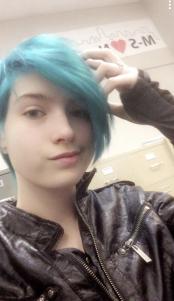
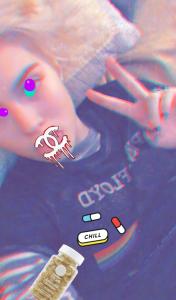
aaaaaaaaaaaaaaaaaaaaaaaaaaaaaaaaaaaaaaaaaaaaaaaaaaand I don’t have to credit those because they’re all mine! Not that I would want that to be a representation of my photography or general style, that’s some grainy content right there. However-! This should also not be taken as a general representation of Emos as an entire subculture either. I, obviously, was a little less expressive with my makeup and clothing choices than most, but I assure you I was absolutely dripping with depression and apathy. The eyeliner came later on.
The Look
To start dissecting a couple pieces of the Emo look, let’s work out way down from the very top. The hair! Emo hair comes in a chaotic and very probably endless variety of colors and styles, but there are a few trends that seem to have really made an impact on the stereotypical image of “Emo”.
Coon tails are, thankfully, easily achieved at home! And… actually normally free-handed, as you can see in the second image. Who started it, nobody knows exactly, but funky, unique hair with wild cuts, colors, and heavy bangs were a must have for the community.
Next up on the chopping block…the clothing. Obviously, dark colors and ripped pants are a must have, pretty much equally as much as the jewelry. The arm accessories, however, are what I have decided to focus on, as they tend to have the most impact on making your look identifiable as “Emo”.
Most unfortunately, this is a still that began with the hiding of self harm scars, something that the more angsty of us sadly have. The fashion trend itself has become more of a statement piece, allowing Emos worldwide to express their interests in specific bands, certain types of style and sometimes just the pursuit of warm forearms. Really, it gets cold sometimes, it’s good to be prepared.
The Modern Emo
Emo, in the traditional sense, is much less common than it used to be. Not because it is gone, or fading, but because the style itself is evolving into the world of E-boys and E-girls.
{for some stupid reason WordPress isn’t letting me put the credit in the photos so from Left to Right, then top to bottom here is your credit. TLTRBLBR}
They crawled out of the darkest, cringiest, most Emo corners of TikTok, and they’re here for the limelight; it’s the e…people. I’m not entirely sure what the gender neutral form of eboy/egirl is but ekids just felt condescending and epeople feels stupid so we just wont worry about it. This newer take on the classic style has leaned into the apathetic aesthetic a bit more than the angst and anger of it’s predecessor, creating a dark but soft look that people seem to obsess over. Oh- and you can’t forget the chains. Never forget the chains.
A lot of people on the internet, as it were with Emo, seem to think that this subculture is deeply “cringey” or annoying, but I’d just like to reiterate a point that I made earlier. Emo is relief. An expression of oneself by presenting in clothing, makeup, hair and jewelry that display publicly how you feel inside, in an effort of making yourself more heard.
When I was in middle school especially, expressing myself through Emo music, hair, clothing and art was amazing. It helped me feel both seen and heard, and the music and styles continue to do the same for people all over the world. Whether it be coon tails, bracelets, ripped tights or wallet chains- expressing your angst is just as valid and generally helpful as expressing anything else with your clothing, so go for it! See if you’re happier dressing like an eboy, or DIYing some coon tails in the bathroom. To keep in the spirit, who cares what anyone else thinks? Live your angsty life, kids.



























 The Globe Wardrobe